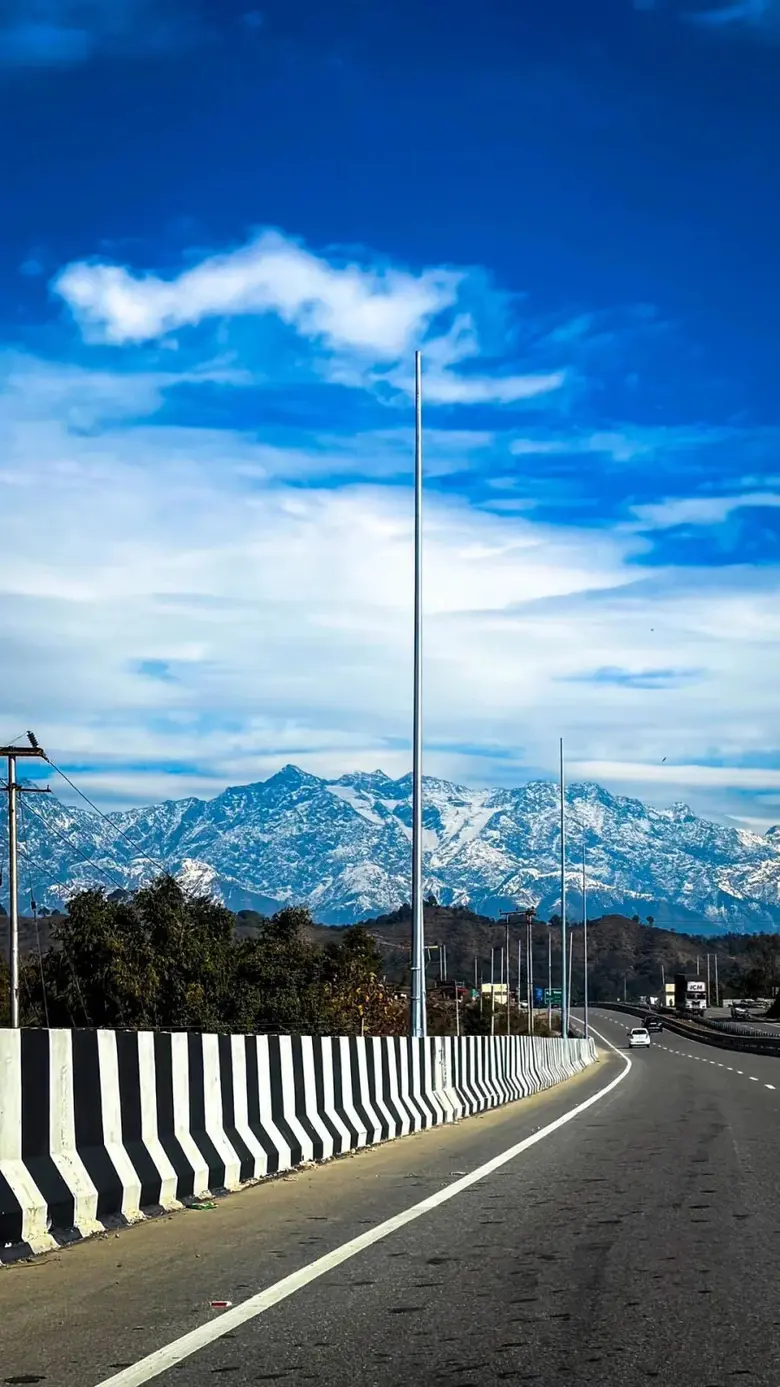
Himachal Pradesh is not one destination — it is a dozen of them stacked between the plains and the high Himalaya, from the tea gardens of the Kangra valley to the cold desert of Spiti. That is exactly why “planning a Himachal tour” trips people up: the same state holds a lazy two-day hill break and a two-week expedition, and picking the wrong scope for your days is the one mistake that turns a holiday into a car marathon. This guide is written from the driver’s seat — how the regions actually fit together, honest drive times, ready itineraries for a long weekend or a full week, and the small decisions that make the difference. We run all of it as private Himachal taxi and tour trips from Kangra, one car and the same driver throughout.
The regions of Himachal, at a glance
The single most useful thing before you book anything is to know which Himachal you are going to. Broadly, the state splits into a handful of regions, each a different feel and a different distance from the plains:
- Kangra & Dharamshala (the west) — the Dhauladhar range, McLeodganj and the Dalai Lama, Palampur’s tea gardens, Bir Billing paragliding and the Devi temples. Greenest, most accessible, and our home ground.
- Dalhousie, Khajjiar & Chamba (the north-west) — colonial hill stations, the “mini-Switzerland” Khajjiar meadow, and the old Chamba kingdom with the Manimahesh yatra above it.
- Shimla, Kufri, Chail & Kasauli (the south) — the state capital and the classic honeymoon hills closest to Delhi and Chandigarh, plus quiet cantonments like Kasauli and Chail.
- Kullu, Manali & the Parvati valley (the centre) — the all-time favourite: Solang, the Atal Tunnel, Kasol and Manikaran, and the base for the high passes.
- Spiti, Lahaul, Kinnaur & Narkanda (the high Himalaya) — the cold-desert monasteries, Chandratal, Chitkul and the apple country beyond Shimla. The big trips, weather-and-season dependent.
- Offbeat valleys (Tirthan, Jibhi, Barot, Mandi–Rewalsar) — the slow, green pockets people go to when they have “done” the famous names.
How many days do you need?
Match the region to the days, not the other way round. As a rule of thumb from years of driving these roads: a long weekend suits one western region, a week lets you string two or three together, and the high-Himalaya circuits need a week on their own.
- 2–3 days — one base: Dharamshala & McLeodganj, Dalhousie & Khajjiar, a Bir Billing paragliding weekend, or a Kangra-valley Devi Darshan.
- 4–6 days — pair up: Shimla with Kullu–Manali, or Dharamshala with Dalhousie & Chamba, at an unhurried pace.
- 7 days or more — go deep or go high: the full Spiti circuit, Kinnaur–Sangla–Chitkul, or a Himachal-plus-Kashmir / Himachal-plus-Rajasthan grand tour.
Ready-made Himachal itineraries
A few routes we run again and again, each rebuilt around your dates and group. These are starting points — think of them as the shape of a good trip, not a fixed template.
The classic weekend — Dharamshala & the Dhauladhar (2–3 days)
Fly into Gaggal or drive up, and give the whole trip to the west. Day one is Dharamshala and McLeodganj — the Dalai Lama temple, Bhagsu falls, Naddi sunset and the Tibetan markets; day two is the Kangra valley below, with the Kangra Fort, the rock-cut Masroor temples and Palampur’s tea gardens, or the Triund ridge trek if you want a walk. Short on confidence about which town to sleep in? Our Dharamshala vs McLeodganj guide settles it.
The all-rounder — Shimla, Kullu & Manali (5–6 days)
The most-asked Himachal tour of all. Come up to Shimla and Kufri for the Ridge, the Mall and the toy train, then cross to Kullu and Manali for Solang, the Hadimba temple, Old Manali and a run up to the Atal Tunnel and Sissu. Add a day in the Parvati valley — Kasol and Manikaran Sahib — if you have it. It is a lot of driving, which is exactly why a car and driver who know where the weekend jams form is worth it.
The big one — Spiti, Kinnaur & the high passes (7–9 days)
For the traveller who wants the cold desert and the monasteries: the Spiti Valley circuit through Kaza, Key Monastery, Chandratal and the moonland villages, or the Kinnaur, Sangla & Chitkul route to “India’s last village.” These are altitude-and-season trips — roughly mid-June to mid-October for the full loop — and they need a driver who has done them, not a hired self-drive on roads you have never seen. The Keylong, Darcha & Spiti variant comes in over the Lahaul side.
The pilgrimage — the 6 Devi Darshan (1–2 days, add-on friendly)
Himachal is as much a pilgrimage state as a hill-station one. The 6 Devi Darshan circuit — Naina Devi, Chintpurni, Jwala Ji, Baglamukhi, Brajeshwari and Chamunda — is the region’s great short yatra, easily bolted onto a Dharamshala trip or run door-to-door from Chandigarh, Delhi or Punjab. Our full Devi Darshan yatra guide lays out the temples and the order that avoids backtracking.
Getting to Himachal
There are three ways in, and the right one depends on where you start. By air, the handiest airport for the Kangra–Dharamshala side is Gaggal — Kangra Airport (code DHM), about 15 km from Dharamshala; Shimla and Kullu (Bhuntar) have their own small airports for the south and centre. By train, the fastest broad-gauge options are the Vande Bharat to Amb Andaura (~75 km from Kangra) or the railhead at Pathankot (~90 km), with a scenic narrow-gauge toy train pottering up the Kangra valley itself. By road, Himachal is roughly 6 hours from Chandigarh and 10–12 from Delhi to the Kangra side. Our how to reach Dharamshala & Kangra guide has the full breakdown, and we run tracked airport and railway transfers from every one of these.
When to visit
The short version: March to June is peak season — clear Dhauladhar views, pleasant days, and the busiest towns and highest rates. July to September is the green, quiet, low-rate monsoon (lovely, but mist and the odd landslip). October–November is the crisp, clear favourite of locals. December–February is cold with real snow up high — magical, if you pack for it, and the season the high passes to Spiti close. The one thing that runs all year is the Devi Darshan down in the valley. For the month-by-month detail, see our best time to visit Himachal guide.
Getting around: why a car and driver beats the rest
Himachal’s buses are cheap but slow and rigid, and self-driving a hired car on hairpin hill roads you do not know — in weather that turns fast — is how good trips go sideways. A private car with a local owner-driver is the way most families and groups actually see the state: doorstep-to-doorstep, halts where you want them, and someone who knows which stretch jams on a Saturday and where the good dhaba is. We run every kind of trip — day sightseeing, outstation and one-way drops, airport runs and multi-day tours — on one all-in fare with the same driver from start to finish.
What a Himachal tour with us actually costs
Honestly, it depends — on the days, the car and the route, so a fixed “package price” up front would be a guess. What does not change is how we quote: one all-in fare covering the car, driver, fuel, tolls, parking and permits, agreed on WhatsApp before you travel, with no advance and no agents in between. Hotels, meals and entry tickets stay your own choice so your budget stays yours. Tell us your dates and group and we send back a real number, usually within the hour. Browse the full set of routes on our Himachal tour packages page and message us to shape yours.